Rostock ⇄ Gedser · 2 hours · 52 km
Rostock Gedser ferry: Germany to Denmark in 2 hours
The Scandlines ferry links the port of Rostock with Gedser on the Danish island of Falster. It is the shortest sea route between Berlin and Copenhagen, straight across the Baltic.
From Berlin and eastern Germany this is the direct way to Denmark: the A19 to the port, two hours on board, then about 160 km on the E55 and E47 to Copenhagen. From Hamburg, Puttgarden Rødby is usually quicker.
Booking online avoids the handling fee of at least €15 at the harbour.Book online & save at least €15 Next sailings
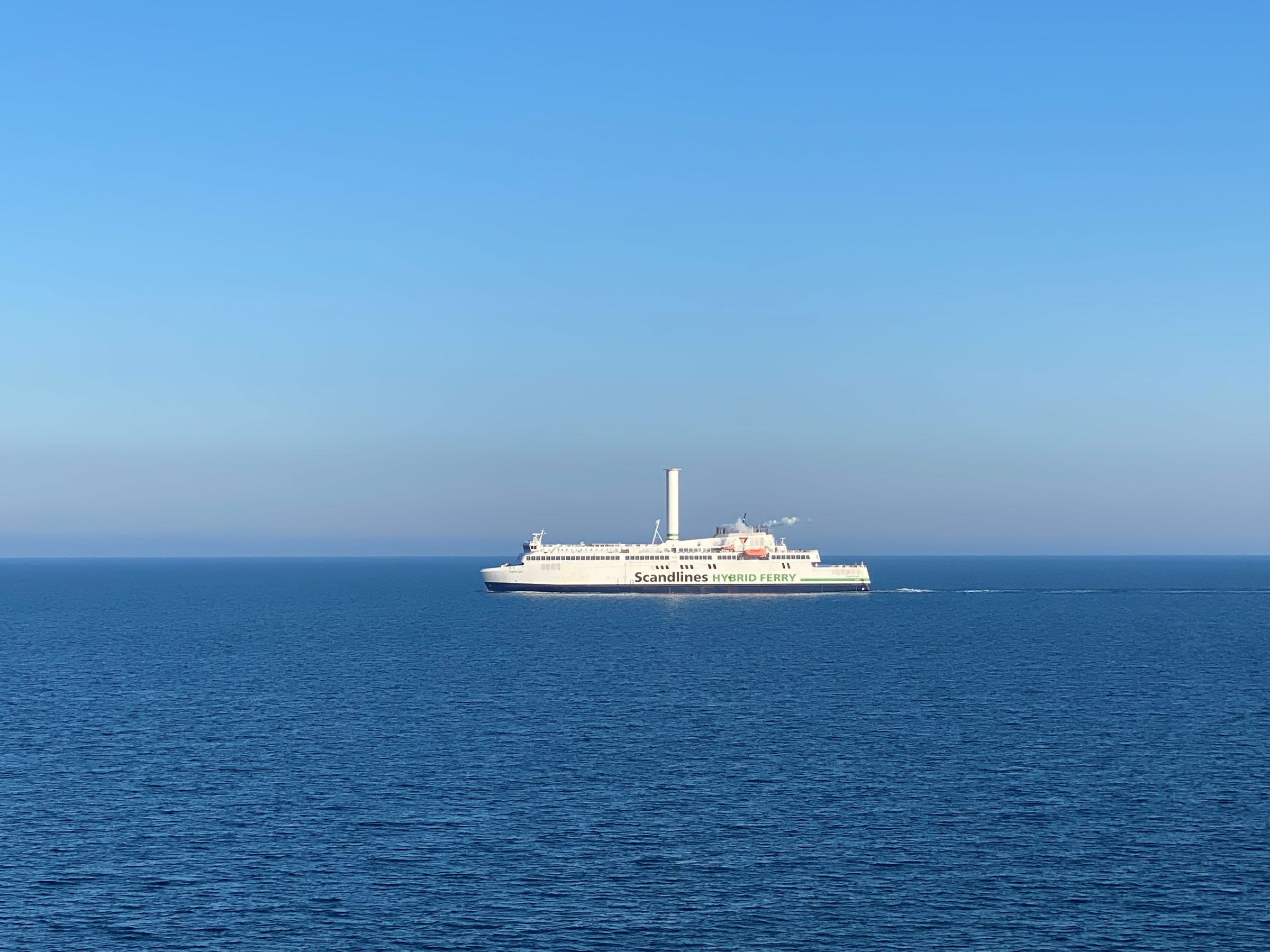
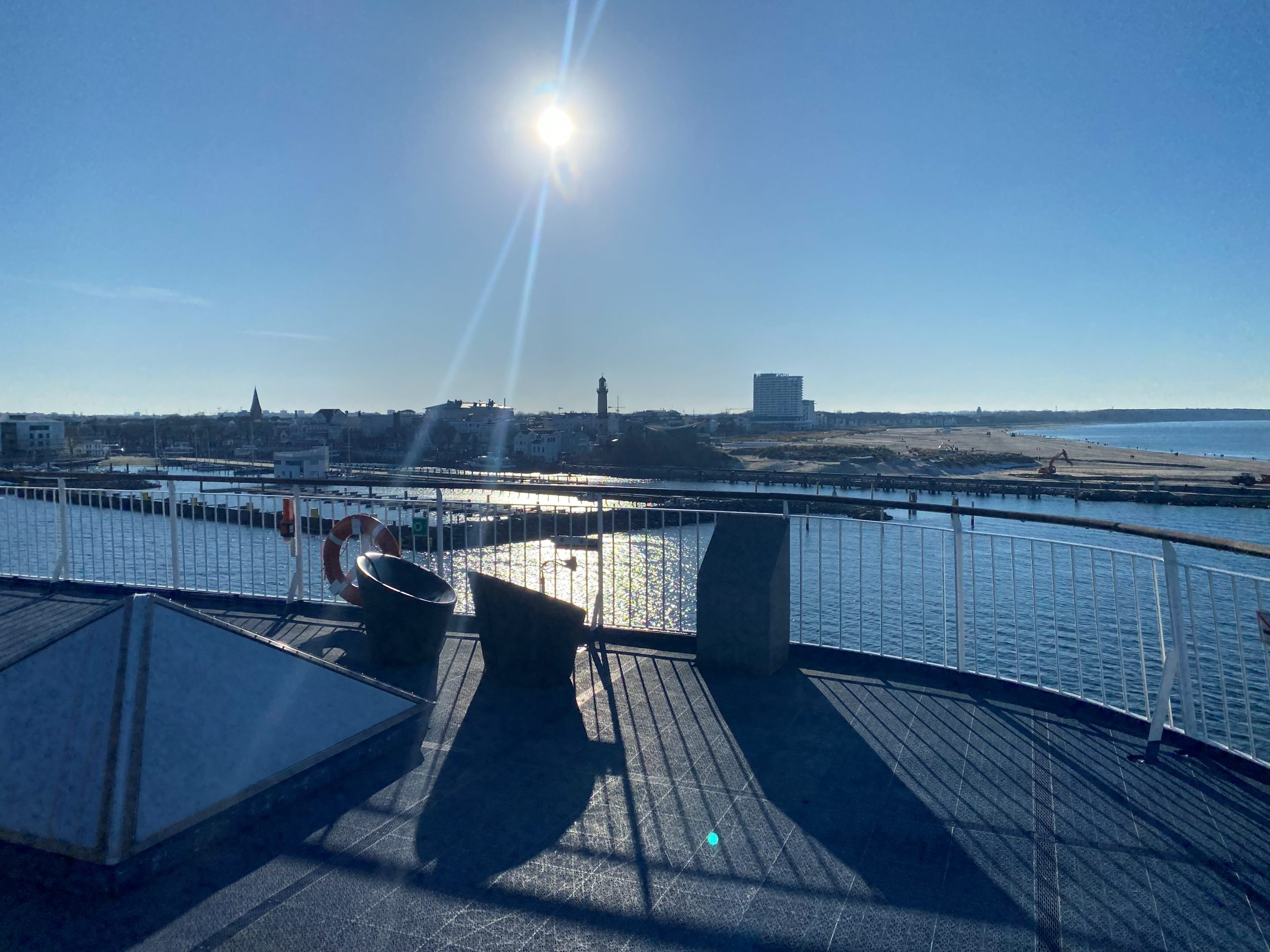
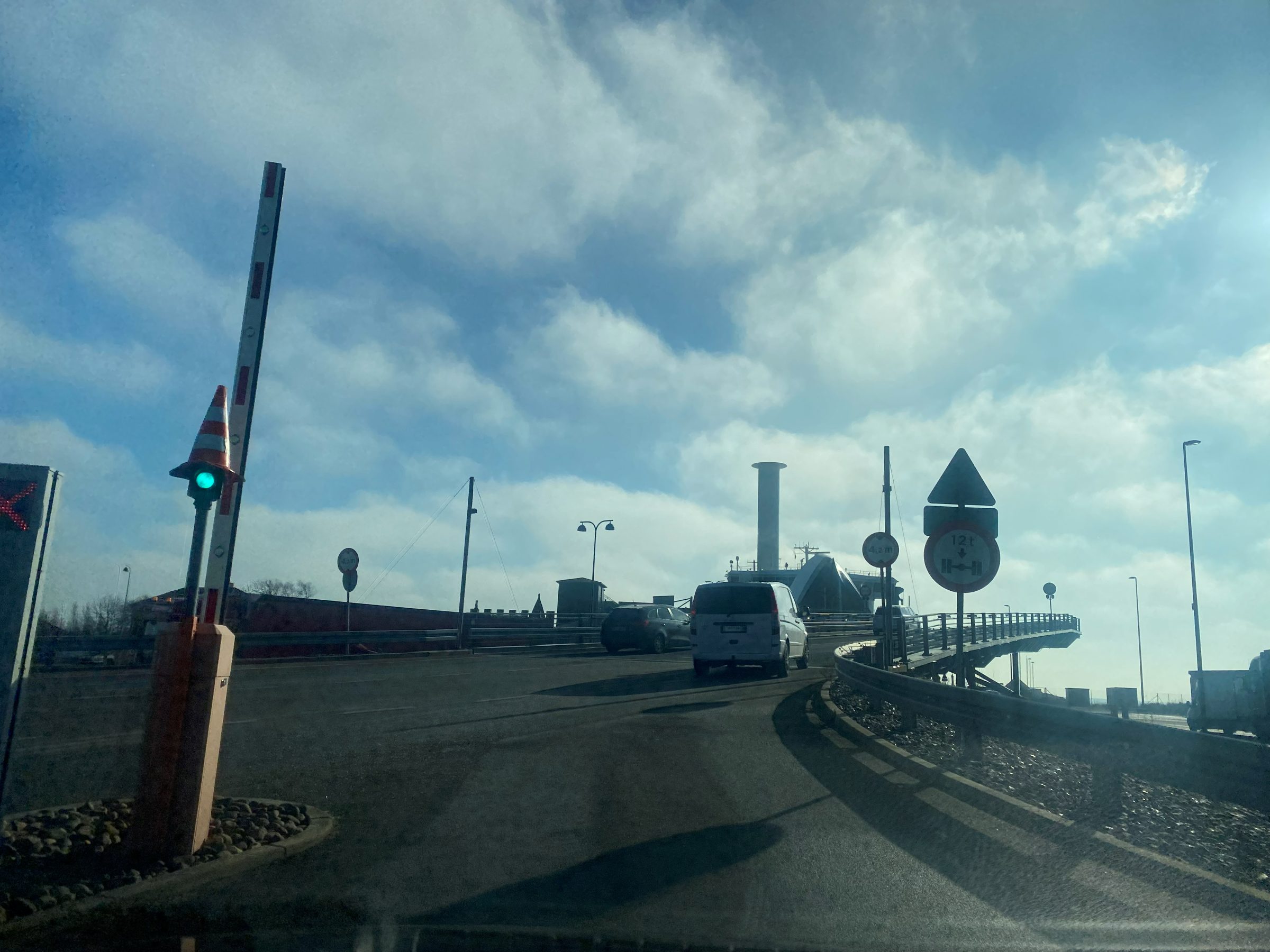
- Germany ⇄ DenmarkRostock to Falster, about 2 hours
- TimetableBoth directions, for any date
- Fares checked 27 Oct 2026On scandlines.com
- Independent guidePart of the FerryGoGo network
- Car from €65.30up to 6 m and 9 people, Low Price
- Campervan up to 6 m from €65.30longer vehicles pay a length surcharge
- Motorbike from €43.50up to 3 people
- On foot €15.501-day return ticket, bike +€3
From prices when you book online, checked on scandlines.com on 27 Oct 2026. Booked later or at the harbour, it costs more. More: Campervans and trailers · Without a car · All fares
The Rostock Gedser ferry in short
Scandlines links Rostock in northern Germany with Gedser on the Danish island of Falster. It is the shortest sea route between Berlin and Copenhagen: about 2 hours on the water, then motorway on both sides. Two hybrid ferries, the Berlin and the Copenhagen, sail the route all year.
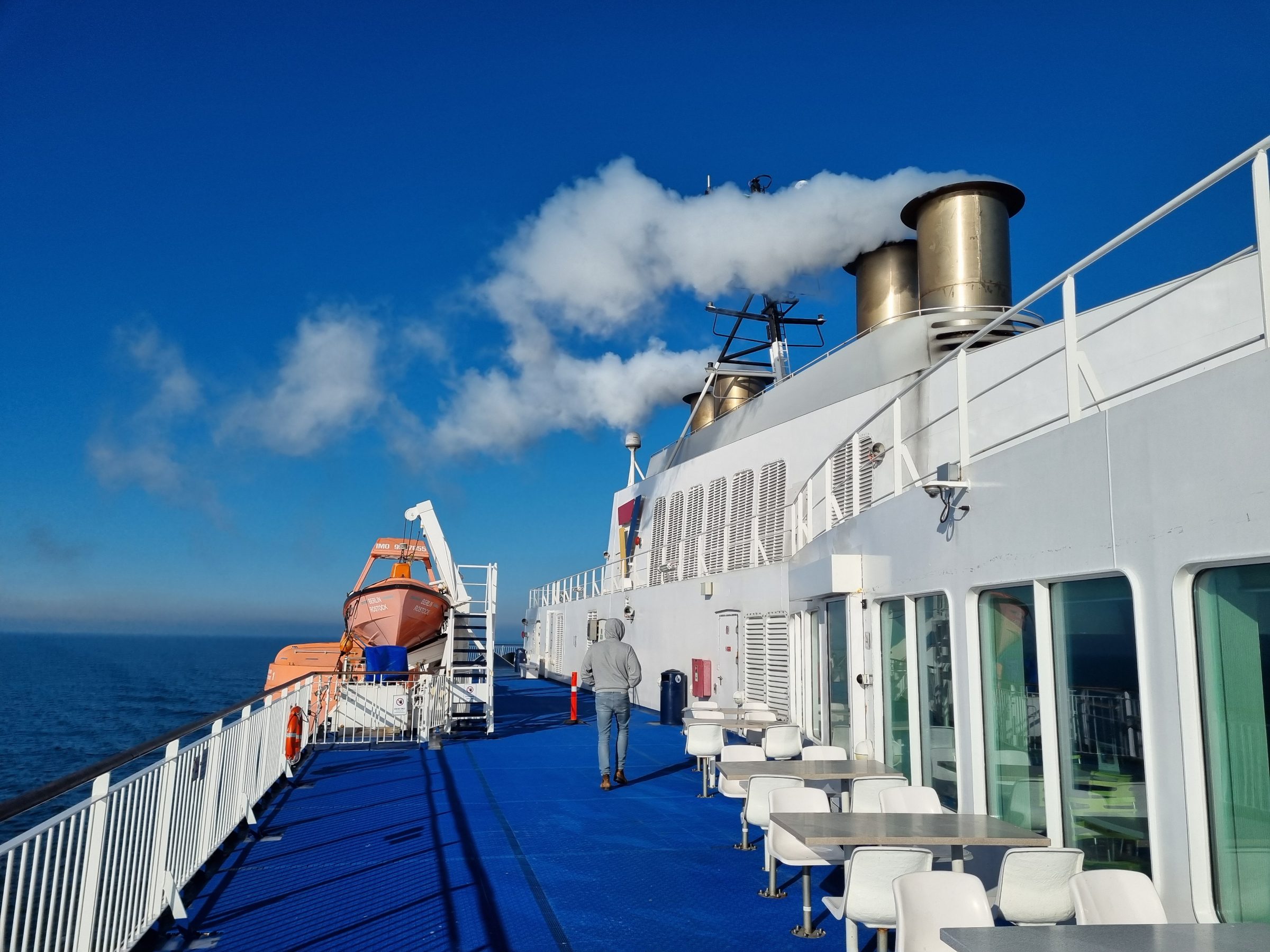
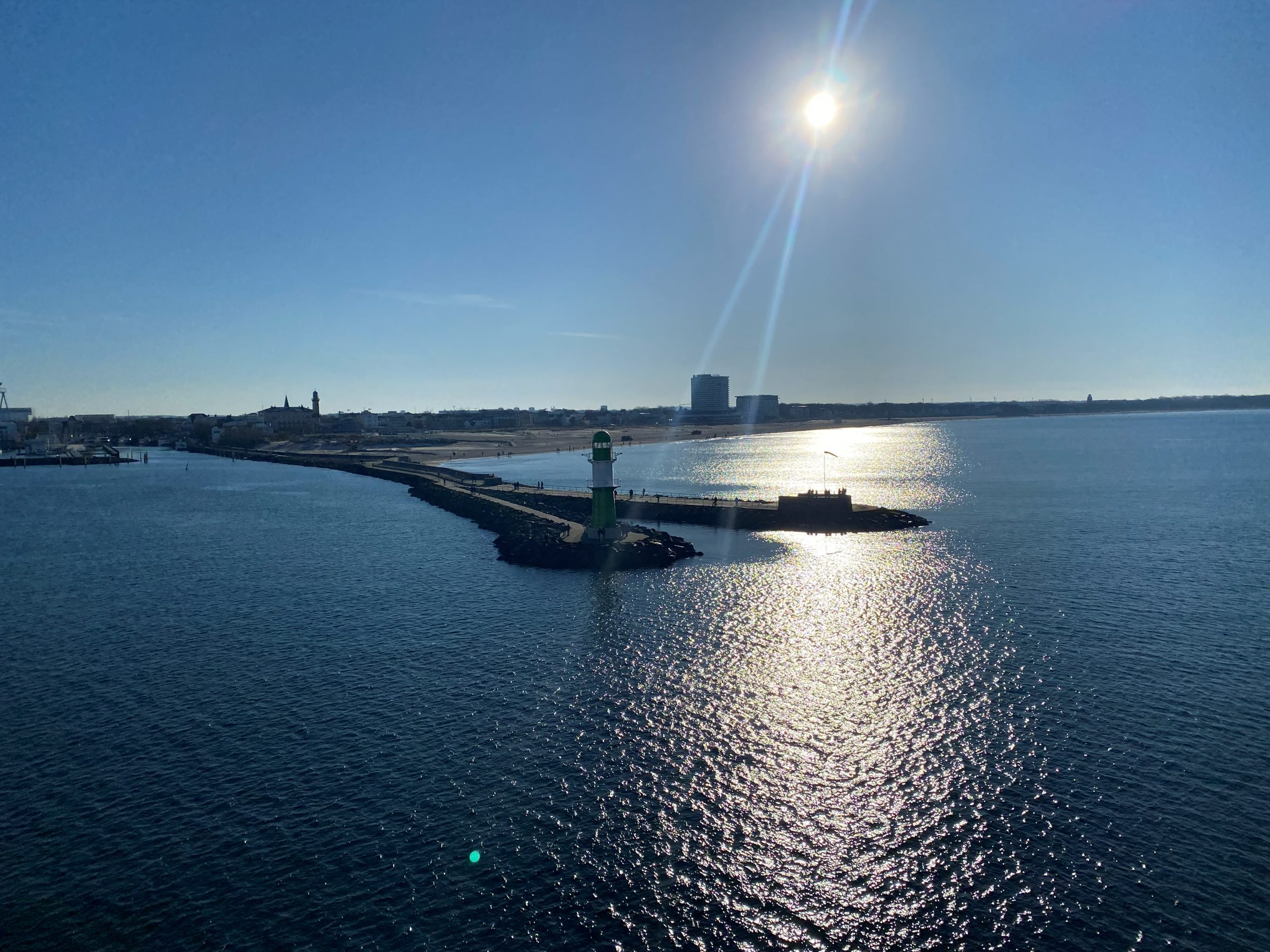
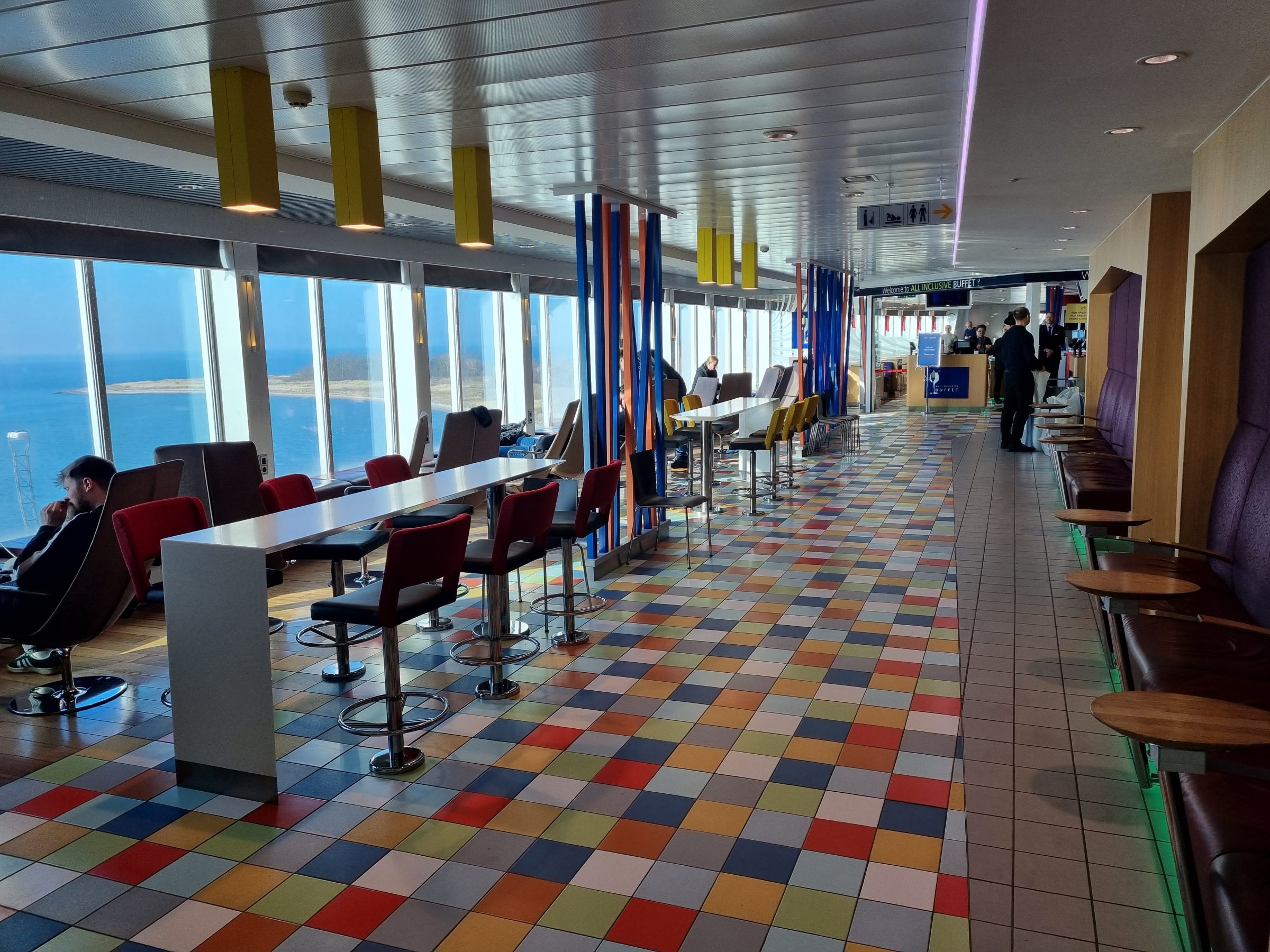
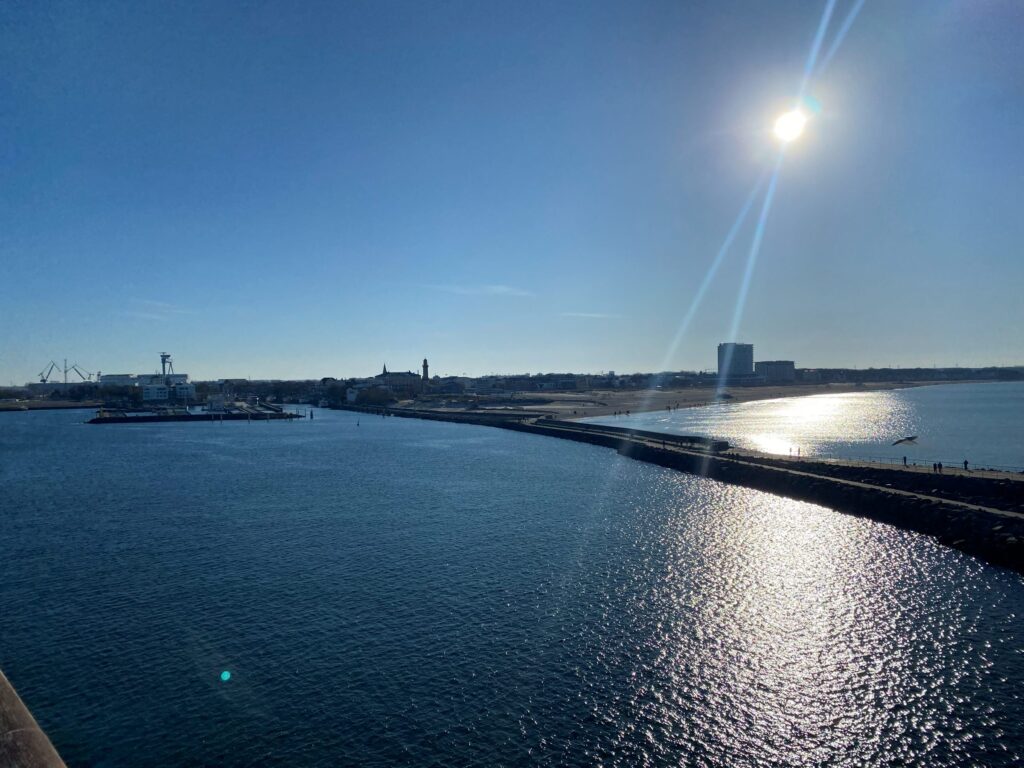
Our own photos from the crossing. Click to enlarge.
Why you can trust this page: Bram and Robbert, from the team behind RostockGedser.com, crossed from Gedser to Rostock on the ferry Berlin in February 2025, as the last leg of a test trip through Germany, Denmark and Sweden that also took in Puttgarden Rødby, the Øresund Bridge and the Helsingør Helsingborg ferry. Every photo on this site is our own. Timetables show Scandlines’ scheduled sailings; delays and cancellations are on the Scandlines departure board. Fares carry the date we checked them.
Today’s sailings from Rostock to Gedser
Pick a date to see the scheduled departures from Germany to Denmark. Sailings in the other direction and more days are on the full Rostock Gedser timetable.
What a ticket costs and which one to pick
You pay per car, up to 6 metres and up to 9 people. The choice is mostly about how much room you want: Low Price is the cheapest but only valid for the departure you book, Standard is valid on any departure with space that day, and Flex can be changed for free. A same-day return and a Friday-to-Sunday trip each have their own, cheaper ticket. Booking online is usually cheaper than at the harbour. Fares, conditions and exceptions are on the prices page, and the ticket guide there shows what fits your trip.
The lowest Standard fare is only available if you book at least 3 days before departure.
Book online & save at least €15Rostock Gedser or Puttgarden Rødby?
Scandlines runs both routes. Puttgarden Rødby is a 45 minute crossing with a departure about every 40 minutes by day, but it starts further west, on the island of Fehmarn. Coming from Berlin, Dresden, Poland or anywhere east, Rostock Gedser saves you driving and is usually the faster door-to-door option to Copenhagen. Coming from Hamburg or the west, Puttgarden Rødby is usually the better choice. Prices are in the same range, so let the driving decide. Compare the alternatives, and in bad weather check our weather and sea state page before you leave.
Why Rostock Gedser: the honest comparison
| Rostock Gedser | Puttgarden Rødby | Overland via Storebælt | |
|---|---|---|---|
| Crossing | about 2 hours | 45 minutes | no ferry, toll bridge |
| Departures | 8 to 9 a day each way | about every 40 minutes by day | whenever you like |
| Berlin to Copenhagen | about 390 km, just under 7 h | about 560 km, just over 7 h | about 790 km, over 8.5 h |
| Hamburg to Copenhagen | about 350 km, about 6.5 h | about 315 km, about 5 h | about 515 km, just under 6 h |
| Car, one way, from | €65.30 | €48 | about €27.50 toll, plus fuel for about 400 km more from Berlin |
| Best choice from | Berlin, Saxony, Poland, Czechia | Hamburg, Bremen, the Netherlands | anywhere, for Jutland and Funen |
In short: from Berlin and the east, Rostock Gedser wins on kilometres and comfort, while time and money come out about even. From Hamburg, take Puttgarden.
Full route comparison with costs
Kilometres and hours: route calculation on OpenStreetMap data, 18 September 2026, centre to centre, with 30 minutes for check-in. Fares: lowest online car fare on scandlines.com, checked 27 October 2026. Bridge toll: 2026 tariff, 205 DKK.
The lowest Standard fare is only available if you book at least 3 days before departure.
Book online & save at least €15The two ports
Rostock ferry port
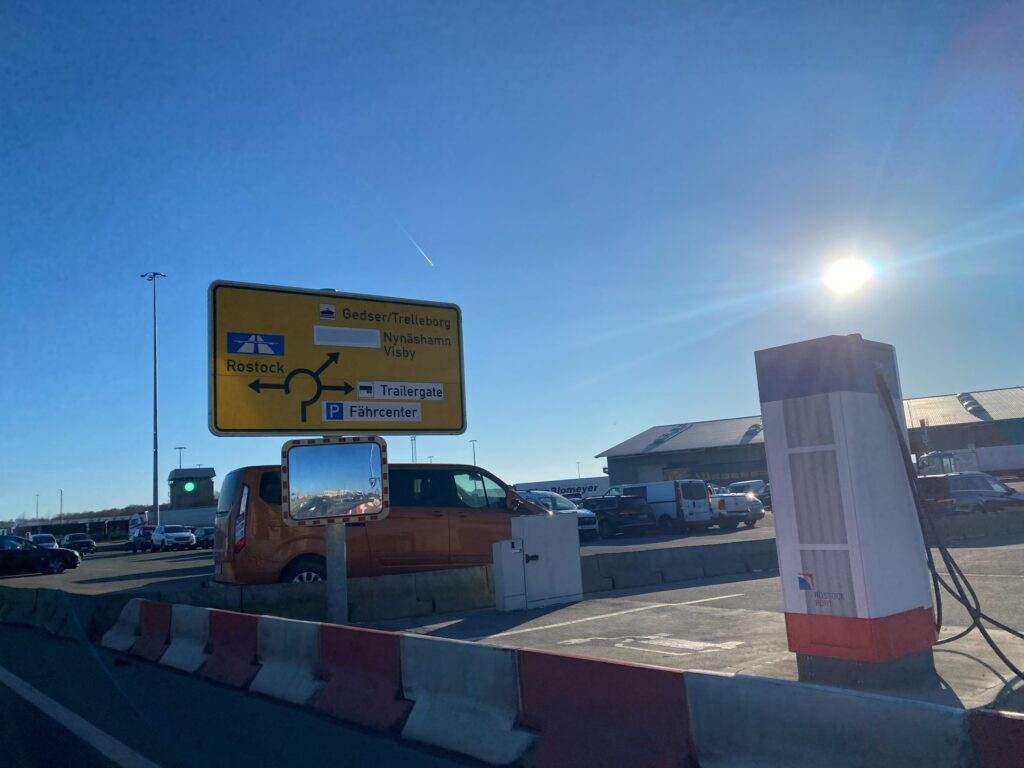
The ferry leaves from the Überseehafen (overseas port) east of the city, not from Warnemünde. From the A19 follow the signs for Seehafen and then Gedser. Check-in for cars closes 15 minutes before departure, foot passengers check in at the ferry centre 30 minutes before. City bus 19 stops at the Seehafen stop and a Scandlines BorderShop is signposted in the port. Rostock’s old town is a good 15 minutes away by car. More about Rostock ferry port.
Gedser ferry port
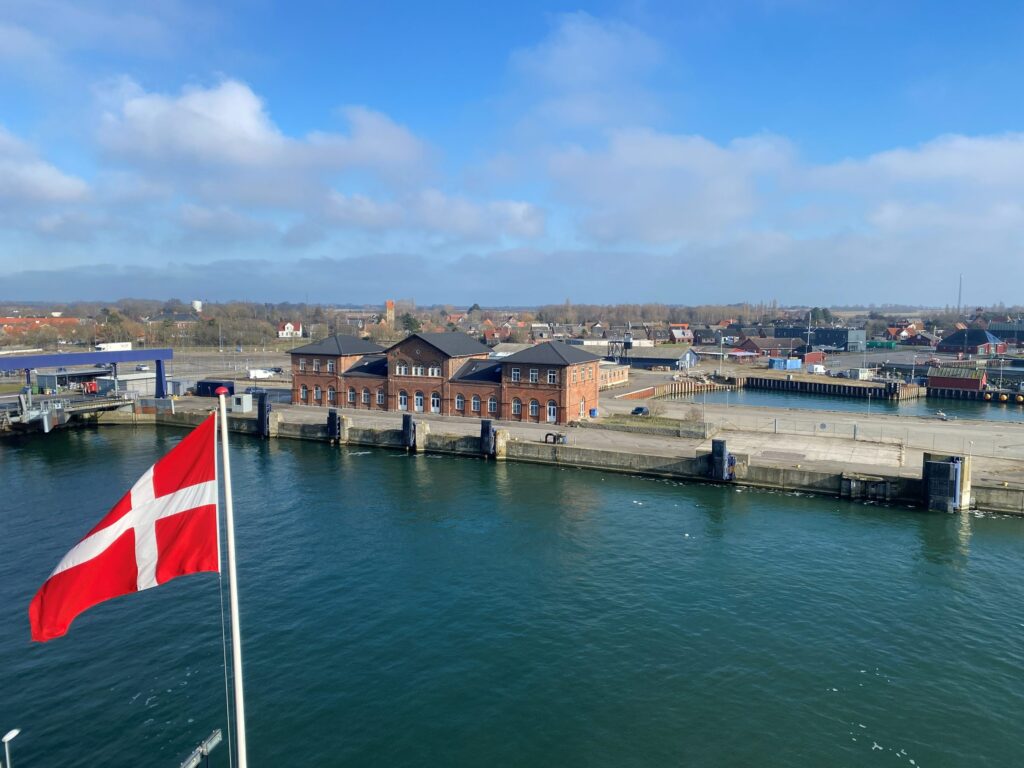
Gedser is a village of a few hundred people at the southern tip of Denmark, with the E55 running straight to the ferry. Cars queue in numbered lanes with traffic lights, foot passengers buy tickets at machines in the old station building and walk up a gangway. The station hall doubles as a waiting room with toilets and a small exhibition about the port’s history. Buses 740 and 743 connect to Nykøbing Falster and Marielyst. More about Gedser ferry port.
Two hours on board
The ferries Berlin and Copenhagen are the same design: a car deck through the bow, a lounge with big windows, the Food Express self-service cafeteria, a buffet restaurant, a Travel Shop, a pirate-themed play corner, gaming machines and an outer deck around the funnels and the rotor sail. Two hours is enough for a meal and a walk on deck. You cannot go back to your car during the crossing.
Where you go from here
To Copenhagen: from Gedser it is about 160 km on the E55 and E47, roughly 2 hours by car. There is no direct Rostock Copenhagen ferry, the crossing to Gedser plus the drive is the route. Rostock to Copenhagen explained.
To Sweden: after Copenhagen you choose between the Øresund Bridge to Malmö and the Helsingør Helsingborg ferry further north. Scandlines sells both together with the Rostock Gedser crossing as a combination ticket. See our page on combination tickets to Sweden. We used the bridge one way and the ferry the other on our trip.
To Berlin: from Rostock port straight onto the A19, about 230 km and 2.5 hours to the Berlin ring.
Staying on Zealand? Ten reasons to spend time on Sjælland.
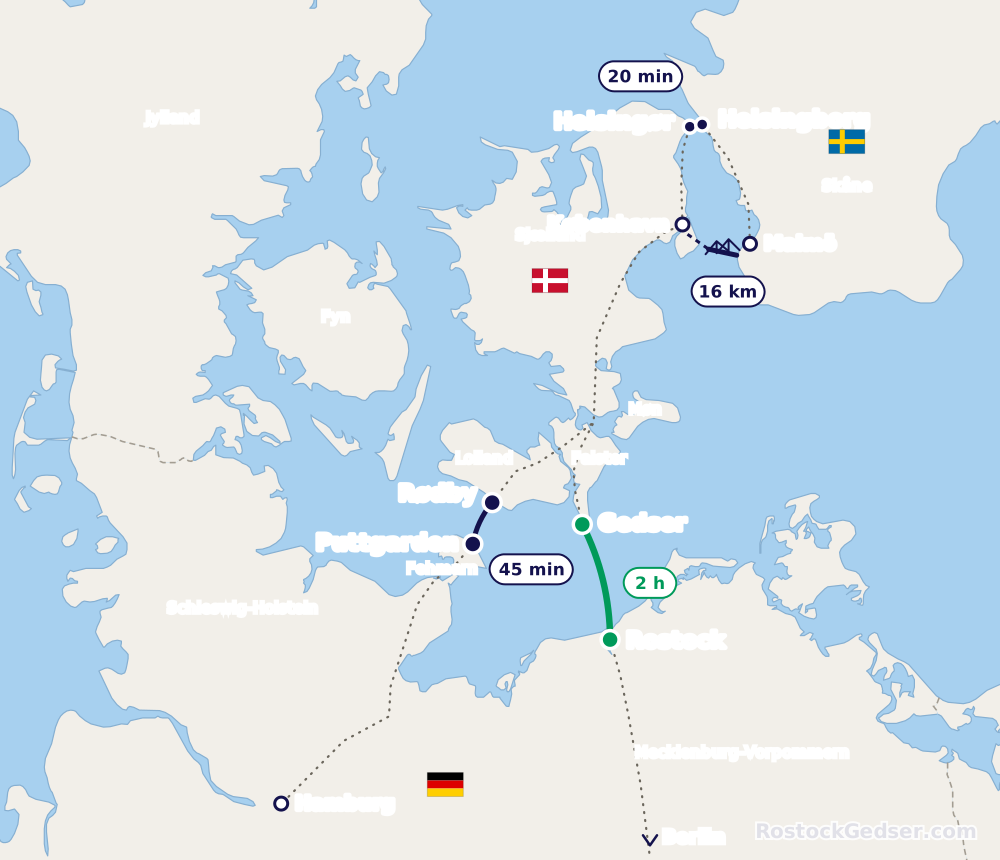
Map: the crossings between Germany, Denmark and Sweden
Between Germany and Copenhagen or Sweden you usually combine two crossings. These are the ones on the map:
- Rostock Gedser: the Scandlines ferry from Rostock to Falster, about 2 hours; the direct way from Berlin and eastern Germany.
- Puttgarden Rødby: 45 minutes from Fehmarn to Lolland; usually quicker from Hamburg.
- By road through Denmark: about 160 km from Gedser or Rødby to Copenhagen.
- Øresund link: bridge and tunnel from Copenhagen to Malmö, 16 km, with a toll.
- Helsingør Helsingborg: the ferry north of Copenhagen, about 20 minutes.
Scandlines sells Rostock Gedser together with the bridge or with Helsingør Helsingborg as a combined ticket.
Rostock Gedser ferry FAQ
How long does the Rostock Gedser ferry take?
About 2 hours for the 52 km crossing, according to Scandlines. Add time for check-in and for sailing up the river Warnow on the Rostock side.
How often does the ferry sail?
In September 2026 the timetable showed 9 departures per direction on weekdays and 8 on Sundays. The first sailing from Rostock is around 04:15, the last around 22:30.
How much is the ferry with a car?
From 65.30 euros one way with a Low Price ticket booked online, from 82.70 euros for Standard, checked 27 October 2026. The fare covers the car and up to 9 people.
Can I go as a foot passenger or with a bike?
Yes. A 1-day return ticket for foot passengers costs 15.50 euros, a bike 3 euros extra. You buy the day ticket online or at the machines in the terminals, the bike add-on at the harbour. How it works is on the page Foot passengers and bikes.
Is there a ferry from Rostock to Copenhagen?
Not a direct one. You sail to Gedser and drive about 2 hours to Copenhagen, or take the bus and train from Gedser.
Is this site run by Scandlines?
No. RostockGedser.com is an independent guide by the RostockGedser.com team. We earn a commission when you book through our links, at no extra cost to you. The operator is Scandlines. More on who we are and how we work.
Do I need a passport for the Rostock Gedser ferry?
Germany and Denmark are both in the Schengen area, so there is no routine passport control at the ferry, but you need to carry a valid passport or national ID card. Spot checks happen: when we arrived in Rostock the police were checking cars at the port exit.
Ready to book? Check today’s fares and book directly with Scandlines.
Booking online avoids the handling fee of at least €15 at the harbour.